
What is anxiety disorder and how can it be resolved?
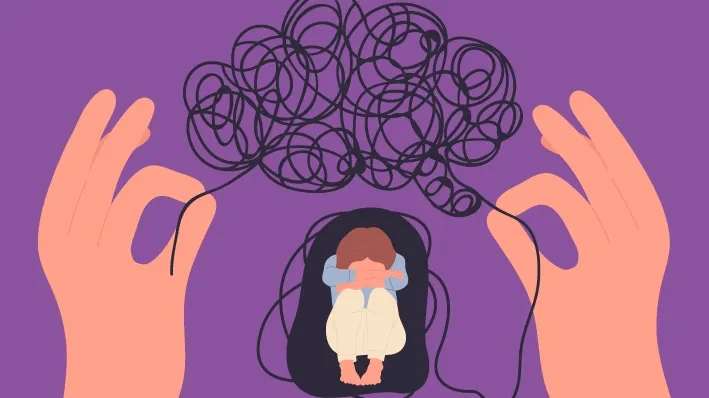
Archived article. This text reflects its original publication date; the offers and services mentioned may have changed.
Take control of your anxiety: understand and overcome anxiety disorder
Anyone will tell you that experiencing moments of anxiety is normal. However, when that anxiety becomes overwhelming and constant, it may indicate an anxiety disorder.
In this article, we will therefore explore what this disorder involves, its possible causes and how to identify signs that you may be experiencing it. We will also provide practical tips for addressing anxiety and highlight the importance of seeking professional help if you need it.
What is anxiety disorder?
Anxiety disorder is a mental condition characterized by persistent, overwhelming anxiety and fear in everyday situations. Unlike occasional anxiety, which is a normal response to stress, anxiety disorder involves excessive, disproportionate worry that interferes with daily life.
People with anxiety disorder experience a wide range of physical and emotional symptoms, such as palpitations, sweating, difficulty breathing, a choking sensation, restlessness, muscle tension, difficulty concentrating and trouble falling asleep. These symptoms can be so intense that they limit a person's ability to lead a full, satisfying life.
It is important to emphasize that anxiety disorder is not simply worrying or feeling nervous in stressful situations. It is a clinical condition that requires appropriate care and treatment.
What are the possible causes of this disorder?
The causes of anxiety disorder are multifactorial and may vary from person to person. Some factors that may contribute to its development include genetics, chemical imbalances in the brain, traumatic experiences, chronic stress and environmental factors.
It is important to remember that every individual is unique and that the interaction of several factors may trigger anxiety disorder.
What are the signs that you may have an anxiety disorder?
Anxiety disorder may arise from a combination of complex, interacting factors. Although there is no single, definitive cause, some possible causes and risk factors associated with the development of this disorder have been identified.
1. Genetic factors
Evidence suggests that genetic predisposition may influence the likelihood of developing anxiety disorders.
If you have a family history of anxiety disorders, you may be at greater risk of developing them.
2. Traumatic experiences
Experiencing trauma, such as abuse, violence, the loss of a loved one or significantly stressful events, may increase the likelihood of developing anxiety disorders.
These experiences can leave a lasting mark on your emotional wellbeing and trigger anxiety.
3. Environmental factors
The environment in which you grew up and developed may also play a role in the development of anxiety disorder.
Factors such as high stress levels, family conflict, lack of social support and unfavorable socioeconomic conditions may contribute to the development of anxiety.
4. Chemical changes in the brain
Imbalances in brain chemicals such as serotonin and norepinephrine may influence emotional regulation and contribute to the development of anxiety disorders.
These imbalances may result from genetic factors, hormonal changes or reactions to stress.
5. Medical conditions and other mental disorders
Some medical conditions, such as cardiovascular disease, an overactive thyroid or hypothyroidism, and neurological disorders may be associated with anxiety disorder.
The presence of other mental disorders, such as depression or panic disorder, may also increase the risk of developing anxiety.
It is essential to emphasize that self-diagnosis is never advisable. If you recognize several of these symptoms in your daily life, we encourage you to seek help from a mental health professional for a proper diagnosis and personalized treatment plan.
What can I do to face this disorder if I have it or think I have it?
If you experience symptoms of anxiety disorder, it is understandable that you want to find effective ways to deal with them and regain control of your life. Although everyone is different and strategies may vary, here are some techniques and approaches that can help you face the symptoms of anxiety disorder:
Social support and therapy
Support from people close to you can be fundamental when facing anxiety disorder. Share your feelings and experiences with trusted friends or family members.
Also consider seeking professional help through psychological therapy. A therapist can help you better understand your anxiety, provide specific tools for managing it and support you through recovery.
Breathing and relaxation
Practicing deep breathing and progressive muscle relaxation techniques may help reduce anxiety in the moment.
Spend a few minutes each day focusing on your breathing, inhaling slowly and deeply, then exhaling in a controlled manner.
Regular exercise
Regular physical activity can be a powerful tool for reducing anxiety. Exercise releases endorphins, neurotransmitters that create feelings of wellbeing and stress relief.
Find a physical activity you enjoy, whether walking, running, swimming or practicing yoga, and try to do it regularly for lasting mental health benefits.
Stress management techniques
Learning effective stress management strategies can help you reduce anxiety. You can explore techniques such as meditation, creative visualization, journaling or activities that relax you, such as listening to calm music or painting.
Find the techniques that suit you best and practice them regularly to strengthen your ability to manage stress.
Establish routines and boundaries
Structure and organization can provide a sense of security and control. Establish daily routines that include time for rest, physical activity, social relationships and enjoyable activities.
Also establish clear boundaries in your life, learn to say “no” when necessary and prioritize your emotional wellbeing.
The important thing here is to explore and find what works best for you. If anxiety symptoms persist or significantly interfere with your daily life, do not hesitate to seek help from a mental health professional.
Would you like to find a professional to help with your mental health?
If you are seeking professional support to treat your anxiety, Easy MD offers a convenient, reliable way to find a therapist who is always available for you. Through its app, you can schedule therapy sessions according to your availability. Take advantage of unlimited psychological consultations during office hours.
Do not hesitate to take the first step toward a more balanced life free from anxiety!
Check in on how you’ve been feeling
EasyMD’s questionnaires can help you reflect on your emotional well-being. They’re available in Spanish and don’t replace a professional assessment.
View mental health questionnaires